Best Ways to Use THCA – 5 Powerful Methods Explained
In the rapidly evolving cannabinoid market, understanding the best ways to use THCA is essential for both consumers and B2B buyers in the THCA industry. THCA (tetrahydrocannabinolic acid) is the non-intoxicating precursor of THC, found naturally in raw cannabis and hemp flower. For companies selling THCA products and for end-users seeking optimal outcomes, it’s crucial to examine how different consumption methods influence the effects, legal status, and health implications. In this article we will explore the top methods — smoking, vaping, using raw, tinctures and edibles — detail their effects, highlight long-tail keywords like “THCA raw use benefits”, “how to vape THCA flower”, “THCA smoking effects”, and provide a strong call-to-action for B2B THCA buyers.
What is THCA? Understanding THCA Basics
Before we dive into the best ways to use THCA, let’s first define it. THCA stands for tetrahydrocannabinolic acid — a cannabinoid found in raw cannabis and hemp before it has been heated (a process called decarboxylation). In its raw form THCA is non-psychoactive, meaning it does not produce the “high” associated with THC unless it is heated, smoked, or vaporized.
For B2B buyers in the THCA industry, this matters: product formulation, lab testing (especially for Δ9-THC levels), compliance with the 2018 Farm Bill and state laws, all hinge on understanding THCA’s chemistry and legal status
When we talk about the best ways to use THCA, we’re referring to how the mode of consumption changes not only the user experience but also regulatory and health considerations.
Best Ways to Use THCA: Smoking THCA Flower
Why choose smoking?
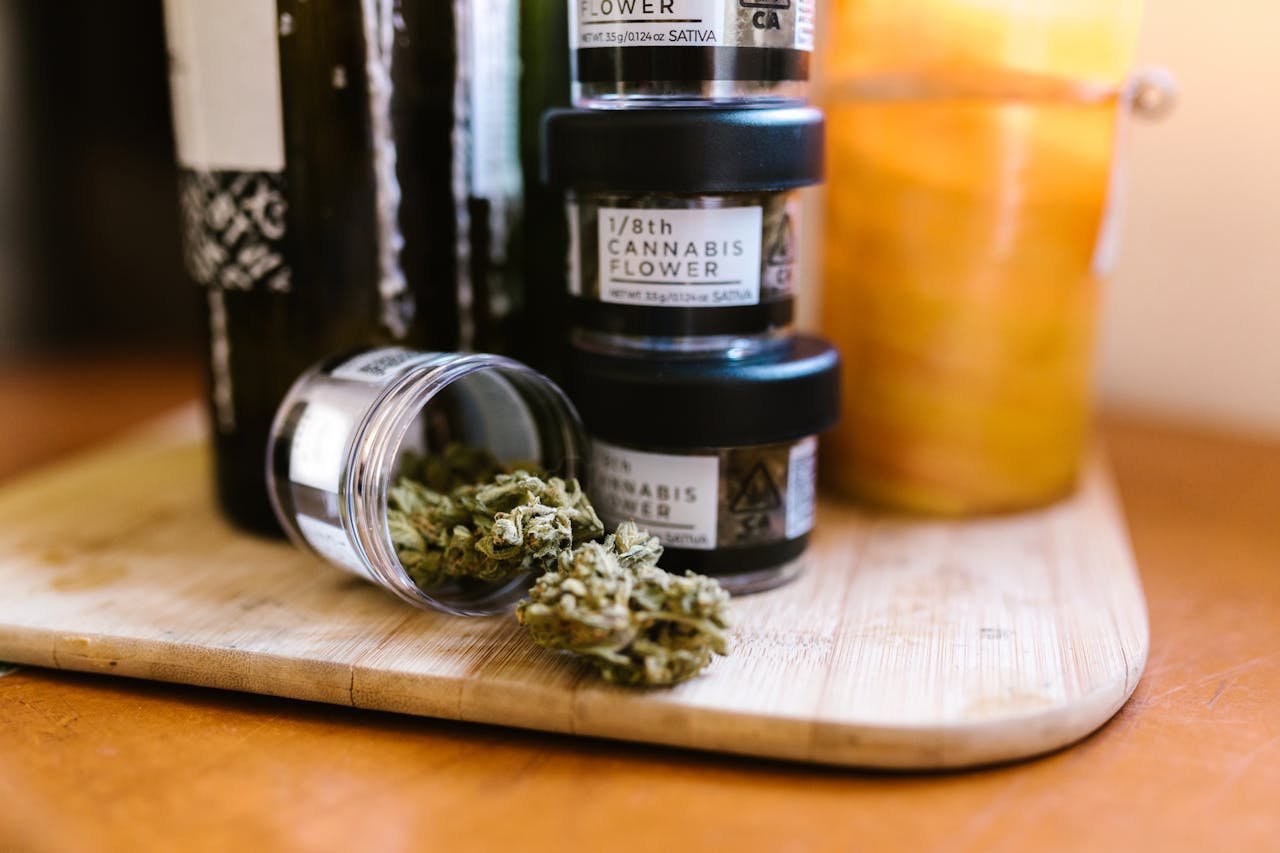
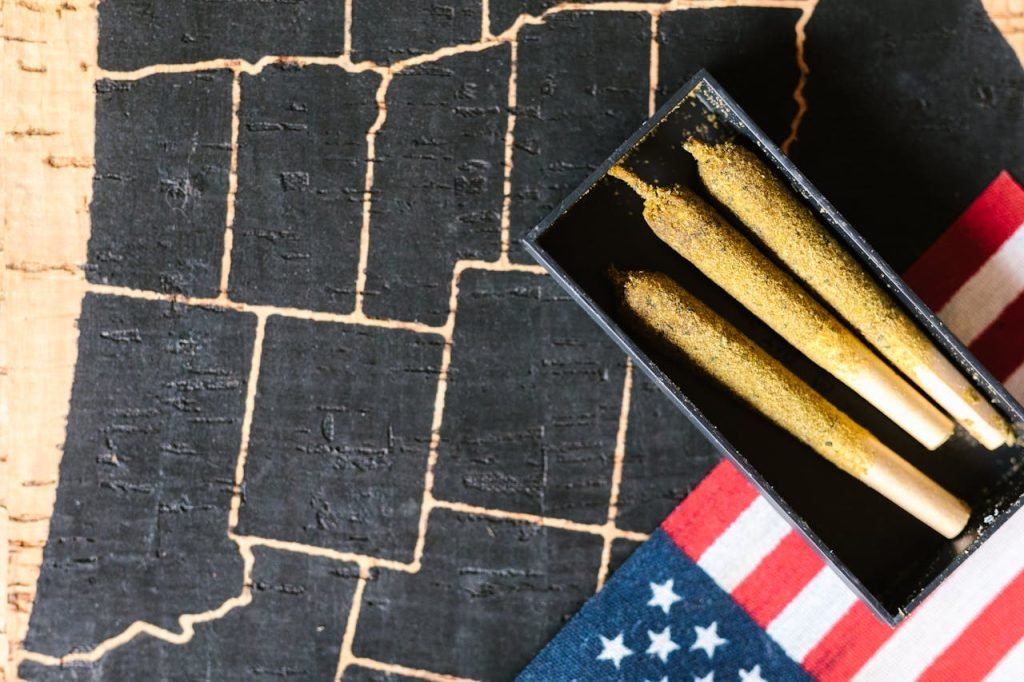
Smoking THCA flower is one of the most immediate and best ways to use THCA to experience the transformation of THCA into THC via heat (decarboxylation). When you smoke THCA-rich flower, the heat converts THCA into Δ9-THC, which then delivers psychoactive effects.
This method appeals to experienced users looking for rapid onset and full cannabinoid spectrum effect.
How it works
- The user lights the THCA flower, creating combustion and heat.
- THCA becomes THC via decarboxylation, producing the typical “high” of THC.
- Effects come on quickly (within minutes), and the user can control dosage by how much flower is combusted.
Effects, benefits & drawbacks
Benefits:
- Rapid onset of effects—suitable for users wanting immediate impact (e.g., pain relief, acute symptoms).
- Simple delivery method familiar in traditional cannabis markets.
Drawbacks / Considerations:
- Since THCA converts to THC, this method may not abide by non-intoxicating use promises if marketed that way.
- Combustion by-products: smoking introduces combustion toxins, which may pose respiratory risk compared to non-smoke options.
- Legal risk: some states consider THCA flower smoked as equivalent to THC use because of the conversion.
- For B2B: product packaging must clearly state that decarboxylation will convert THCA to THC. Labeling and testing are critical.
Ideal use cases
- Wellness brands targeting users accustomed to inhalation forms.
- B2B supply chains looking for high-potency THCA flower, marketed for “smoking use” in states where legal.
- Dispensaries or hemp-derived product manufacturers who want to provide a familiar consumption style.
Best Ways to Use THCA: Vaping THCA Concentrates or Flower
Why vaping is popular
Vaping THCA is one of the best ways to use THCA — whether via THCA flower or THCA concentrates (crystals, diamonds, cartridges) — has become a preferred method due to convenience, discretion, and faster onset than edibles. The best way to use THCA for users wanting inhalation without full combustion is vaping.
How it works
- The device heats the THCA product to a temperature sufficient to convert THCA → THC (or deliver THCA if design excludes full decarb).
- Inhaling vapor provides rapid uptake via the lungs, typically within seconds to minutes.
- Many concentrate forms (e.g., THCA diamonds) bypass the flower altogether, offering high potency. San Diego Beer News®+1
Effects, benefits & drawbacks
Benefits:
- Fast onset, similar to smoking but with less smoke and ash.
- More discreet than smoking; vapor is often less odorous.
- Suitable for higher-potency use and experienced cannabinoid consumers.
Drawbacks / Considerations:
- Device and concentrate quality matter; poor heating devices may not fully convert THCA or may introduce harmful by-products.
- Vaping regulation is under scrutiny; some states restrict vaping of hemp-derived cannabinoids even if flower is allowed.
- Legal risk: even if product is labeled “THCA”, the conversion to THC means regulatory bodies may treat it like THC. For example, some states ban or restrict THCA use entirely.
- For B2B: ensure third-party lab testing, potency reporting, and proper consumer warnings for inhalation use.
Ideal use cases
- Vape-centric delivery brands wanting to offer THCA products.
- Concentrate manufactures targeting experienced users or therapeutic users who need quick onset.
- Retailers in jurisdictions amenable to inhalation of hemp-derived cannabinoids.
Best Ways to Use THCA: Raw Use (Juicing, Tinctures, Unheated Use)
What raw use means
One of the often-overlooked methods is raw consumption of THCA — that is, ingesting THCA without heating (no decarboxylation), such as via fresh cannabis leaf juice, raw flower preparations, tinctures kept unheated, or cold preparations. This qualifies as one of the best ways to use THCA when user wants non-psychoactive benefits.
How it works
- Because THCA has not been heated, it remains in its acid form and does not convert to THC, hence no “high” is expected.
- Consumption may be oral (slow onset) or even topical in some applications.
- The idea is to capture potential therapeutic or wellness-oriented benefits (anti-inflammatory, neuroprotective) attributed to THCA in its raw state.
Effects, benefits & drawbacks
Benefits:
- Non-intoxicating—it may appeal to wellness users who want benefits of cannabinoids without intoxication.
- Positioned well for functional wellness, B2B brands focusing on nutraceutical/cosmetic applications.
- Lower regulatory risk in some jurisdictions since psychoactive conversion is avoided.
Drawbacks / Considerations:
- Research is still limited; while early studies suggest anti-inflammatory and neuroprotective effects, robust clinical trials are lacking.
- Bioavailability may be lower compared to heated forms; onset and effect magnitude may be modest.
- For B2B: clear labeling, batch testing, consumer education is crucial (explaining that raw use does not deliver “high”).
- Legal ambiguity: even if raw use is non-intoxicating, some regulators may treat THCA products based on their potential to convert into THC.
Ideal use cases
- Wellness brands offering THCA-infused tinctures, capsules, or raw-flower preparations marketed for anti-inflammatory support.
- Cosmetic companies leveraging THCA’s antioxidant or skin-support claims.
- B2B distributors seeking to supply non-psychoactive cannabinoid lines to wellness retailers.
Best Ways to Use THCA: Edibles & Capsules
Why edibles and capsules
Another practical way to consume THCA is via edibles (gummies, chocolates) or capsules that contain THCA (or THCA that decarbs in the digestive tract). This is one of the best ways to use THCA for discrete, measured dosing and longer duration of effect.
How it works
- If an edible is formulated to keep THCA raw (no pre-decarboxylation), the user may benefit from the non-psychoactive properties.
- If ranged toward decarbed THCA → THC during cooking, the edible will deliver traditional THC effects—but the product will need to be marketed accordingly (and may fall under stricter regulation).
- Onset is slower (30–90 minutes) compared to inhalation. Duration is longer (4–8 hours or more).
Effects, benefits & drawbacks
Benefits:
- Discreet, no inhalation needed—appeals to consumers who prefer capsule or edible format.
- Controlled dosing is easier (e.g., mg per serving).
- Useful for wellness or therapeutic users seeking sustained effect rather than immediate onset.
Drawbacks / Considerations:
- Onset delay may lead to over-consumption if users aren’t patient.
- If THCA decarbs in the edible or during digestion, psychoactive effects may appear, so product labeling and consumer education are critical.
- Production quality, shelf-stability, and accurate dosing are crucial for B2B brands.
- Regulatory complexity: Edibles may be more strictly regulated in many jurisdictions (age limits, packaging, potency limits).
Ideal use cases
- Brands targeting wellness users or medical cannabis markets.
- B2B edible manufacturers wanting to include THCA-based products with either non-intoxicating or THC-converted profiles (depending on jurisdiction and labeling).
- Retail channels needing consumer-friendly, familiar formats.
Best Ways to Use THCA: Topical & Transdermal Applications
Why topical/ transdermal?
While less common than inhalation or oral, topicals and transdermals featuring THCA (either alone or along with other cannabinoids) are emerging as one of the best ways to use THCA for localized or systemic wellness. Users apply creams, balms or patches infused with THCA for localized relief of pain, inflammation or skin issues.
How it works
- The THCA in a topical remains largely un-heated, hence remains non-psychoactive.
- Some formulations may allow skin absorption of cannabinoids that may interact with local endocannabinoid system receptors.
- Effects tend to be localized (muscles, joints, skin) rather than systemic high.
Effects, benefits & drawbacks
Benefits:
- No inhalation, no edible metabolism—appeals to users avoiding systemic psychoactive effect.
- Targeted application can mean fewer systemic side-effects.
- Ideal for wellness markets, dermatology or physiotherapy adjunctive use.
Drawbacks / Considerations:
- The science on THCA in topical form is still quite limited.
- Absorption rates may vary; effects may be subtle.
- For B2B: proper formulation, shelf-life stability, third-party testing, and clear claims are vital.
Ideal use cases
- Wellness brands offering THCA-infused topical skincare or joint/muscle relief products.
- B2B cosmetic suppliers incorporating cannabinoids into lotions, balms, patches.
- Retailers focused on wellness/spa channels rather than traditional cannabis dispensary.
Legal, Health & Product Implications for THCA Use
Legal implications
The best ways to use THCA do not only depend on the mode of use—but also on the legal framework governing THCA. At the federal level in the U.S., hemp and hemp-derived cannabinoids (including THCA) are legal under the Agricultural Improvement Act of 2018 (Farm Bill) provided the Δ9-THC content is ≤ 0.3% on a dry-weight basis.
However, states are not uniform. For example, Tennessee has banned THCA entirely effective January 1, 2026. The legal risk arises because THCA can convert into THC when heated, which complicates regulatory classification.
For B2B buyers and sellers:
- Always check your state’s laws, licensing requirements, and testing protocols.
- Ensure product compliance: COAs (certificates of analysis) showing Δ9-THC levels, total THC calculations (including converted THCA) are essential.
- Labeling matters: If you market a product as one of the best ways to use THCA for inhalation, you must clearly note potential conversion to THC and avoid mis-branding.
Health & safety implications
From a health perspective:
- Raw THCA shows anti-inflammatory, neuroprotective, antioxidant properties in early research. recovered.org+1
- When smoked or vaped, THCA becomes THC — so the health implications align with THC use: intoxication, impairment, potential respiratory concern (for combustion/vaping).
- Quality assurance: contamination, heavy metals, residual solvents in poorly regulated cannabinoids can be a concern.
For B2B: happy consumers equal repeat business. Ensuring safe, tested, and clearly explained products is vital.
Product implications
Selecting the best ways to use THCA from a product-development standpoint means:
- Choosing formats aligned with target users (wellness vs recreational).
- Deciding whether the product is designed for raw use (non-intoxicating) or heated use (intoxicating).
- Ensuring packaging, marketing claims, dosage guidelines, and interpersonal education are clear.
- Tracking trends: THCA flower, THCA diamonds, THCA tinctures, topical THCA are all part of the evolving ecosystem.
- Internal linking suggestion: On your website link from this blog to your THCA product catalogue (“Explore our THCA-rich flower collection”), and to a regulatory-compliance article (“State by state THCA regulation guide”).
FAQ – Best Ways to Use THCA
What is the best way to use THCA for non-intoxicating benefits?
The best way to use THCA without a high is raw consumption (juicing, unheated tinctures) or topical application. Because no heat is applied, THCA remains non-psychoactive.
Will I get “high” if I smoke THCA flower?
Yes — if you smoke THCA flower the heat converts THCA into THC, causing psychoactive effects.
Is vaping a better way to use THCA than smoking?
Vaping can be considered a better (or at least alternative) method because it avoids combustion by-products and offers faster onset. But the conversion to THC still occurs, so legal and health risks remain similar.
Are edibles one of the best ways to use THCA?
Edibles and capsules are indeed a top method for users seeking discrete, controlled dosing and longer duration. However, formulation matters: if the THCA is decarbed it acts like THC; if unheated it remains non-psychoactive.
Is THCA legal everywhere?
No. Federally in the U.S., hemp-derived THCA under 0.3% Δ9-THC may be legal. But states have varying laws and regulatory treatment of THCA — some restrict or ban it.
Which method should B2B buyers focus on for product development?
It depends on your market. If targeting wellness, raw use formats and topicals may be safest. If targeting inhalation and adult-use markets, flower and vaping are viable but come with higher regulatory burden and need strong compliance.
Choosing the best ways to use THCA depends on your audience, regulatory environment, and product goals. Whether your focus is on raw non-intoxicating wellness formats, inhalation formats for experienced users, or edible/ topical formats for broader appeal — each method carries unique effects, benefits, and compliance implications.
As a B2B buyer or business in the THCA industry, you need to partner with manufacturers and suppliers who understand potency testing, decarboxylation risks, labeling, state laws and consumer education.
Ready to move forward? Explore our full THCA product line [link internally to your catalogue], review our state-by-state THCA compliance guide [link internally], and get in touch with our B2B team to secure compliant, premium THCA inventory for your next launch. Let’s position your brand at the forefront of the THCA market.
trusted cannabis store online with global delivery options